


Driving in winter – The glaring problem
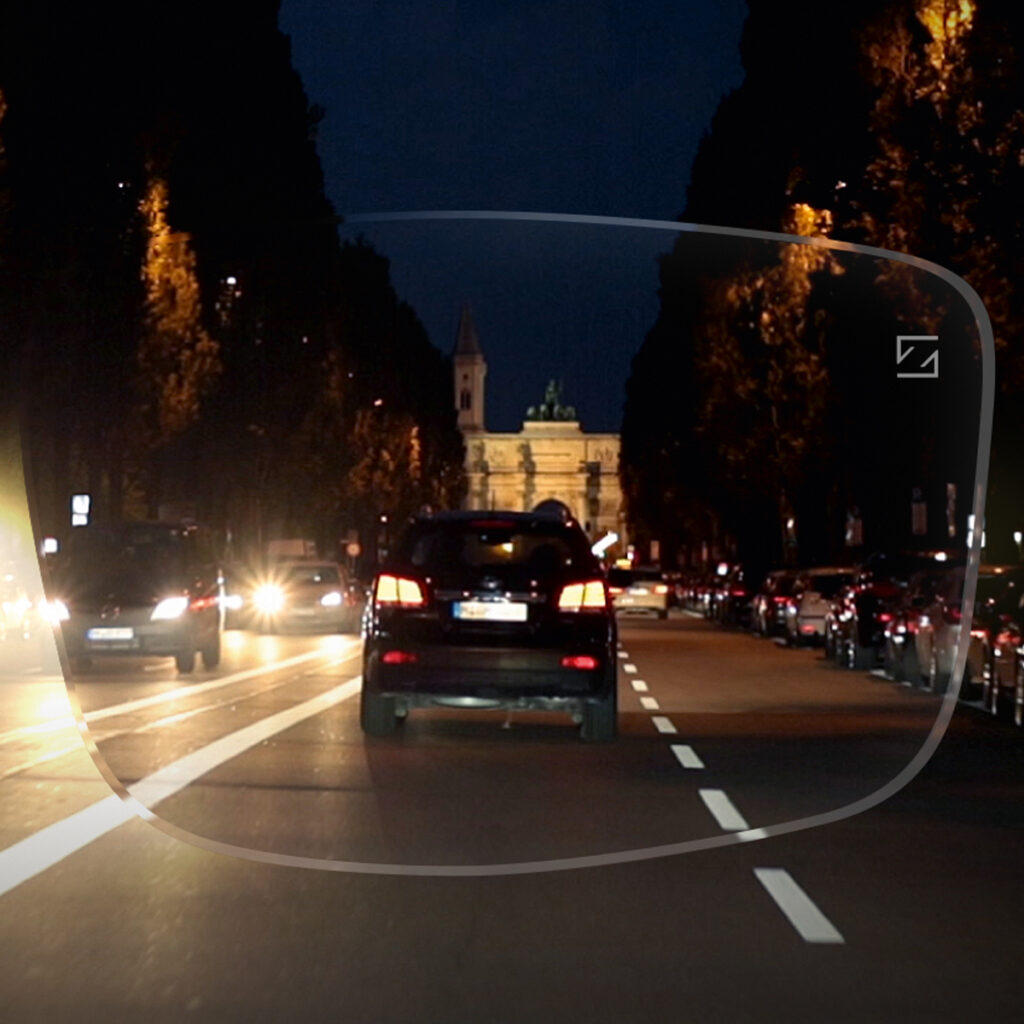
If you spend a lot of time driving at night, you’ve undoubtedly experienced being dazzled by oncoming car headlights.
Optometrists around the country are increasingly hearing complaints from patients who are experiencing eye related issues caused by the effects of dazzling headlights.
According to a recent driver survey, 98% think car headlights are too bright and 88% have been dazzled by them recently (RAC, 2022)
These stats have led some to believe that headlight design needs a rethink, spectacle and contact lens manufacturers need to find a better solution, and optometrists need to know how best to manage this growing problem.
According to Simon Williams, road safety spokesperson for the RAC “Headlight glare is
the topic we have received the most messages about from members and non-members, with most complaining about the intense brightness of some headlights.”
Simon points out, noting a marked increase in the number of people complaining of headlight glare and potential danger – 63% of drivers who report being dazzled in the latest RAC survey say it is happening more now than two years ago (RAC, 2022).
Stats show that once dazzled, it takes between 1 and 6 seconds to regain full vision. Six seconds of debilitated vision at the wheel in a car moving at 60mph means the driver would cover 162 metres severely impaired, suggesting headlight glare compromises road safety.
In 2020, “dazzling headlights” were a contributory factor in 196 accidents, with seven fatalities and 48 serious accidents.
Why is there an increase in complaints?
A common response to reasons as to why eyes are being affected so much by oncoming headlights is the prevalence of Sport utility vehicles (SUVs) that sit high off the ground. Around six in 10 drivers of conventional vehicles blame the higher angle of headlight beams emitted by an SUV.
Dirty windscreens and glasses can also lead to dreadful glare and drivers are advised to keep their windscreen and spectacles free of dirt and smears.
Are the elderly affected more?
In short no. Historically, glare was thought to be most prevalent in the ageing population. However, data suggests that complaints about glare have been received by drivers as young as 17 years old with perfect vision, ranging to senior drivers up to 90 years old.
In comparison, the RAC survey found that 30% of those aged 17 to 34 think most car headlights are too bright, compared with just 19% of those aged 65 and over. Of those young drivers who think headlights are too bright, 70% think they increase the risk of accidents, compared with 62% of drivers over 65 years (RAC, 2022).
Zeiss DriveSafe Lens
Here at Lesley Cree Opticians, for those that suffer particularly from headlight dazzle, we recommend the ZEISS DriveSafe Lenses. These are everyday lenses specifically designed to meet the visual needs of drivers. Design features and technologies enhance the wearer’s vision experience during the day or night while driving. There are 3 elements when driving at night that Zeiss DriveSafe lenses combat:
- Poor visibility in low light conditions such as rain, dusk or at night.
- Glare from headlights and street lamps reflecting off wet road surfaces or from oncoming traffic
- Difficulty in re-focussing your eyes in any conditions when changing from looking out the windscreen to your dashboard and mirrors.
How the Zeiss DriveSafe lens achieves this:
- Zeiss luminance design technology – Heightened vision in low light levels which takes into account different pupil sizes related to light conditions.
- Duravision DriveSafe coating – Reduced glare from street lamps and oncoming traffic by reflecting the wavelength of light responsible for unclear vision. Less perceived glare up to 64%.
- Optimised distance and intermediate zones – reduces the need for horizontal and vertical head movement.
Learn more about the lens here:
What to do if you experience eye related issues when driving?
If you have any issues with your vision, or you would like to know more about our services, please call us on 0115 933 2999 or email us and we would be delighted to help.